
Common Lawn Diseases in South Carolina
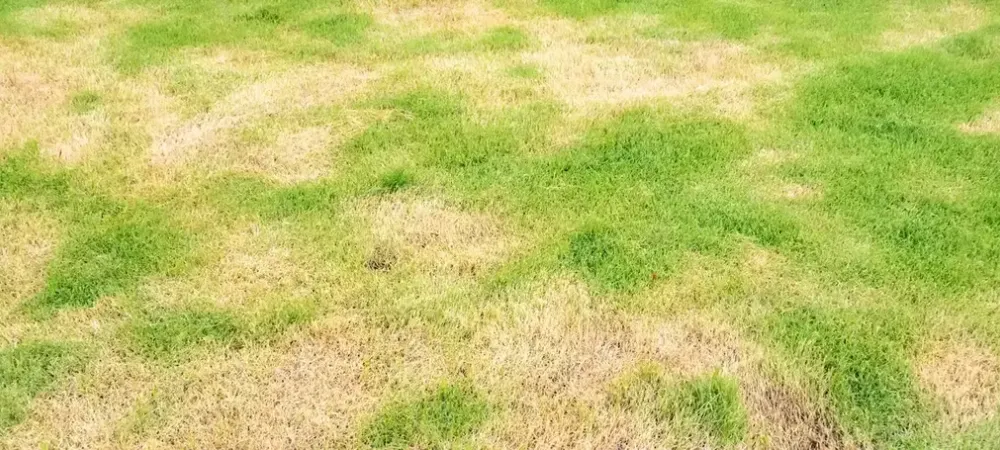
Lawn diseases are a common challenge for South Carolina homeowners, especially during periods of high humidity, warm temperatures, and frequent rainfall. Many of these problems don’t start suddenly. They develop quietly when moisture, heat, and turf stress line up just right. By the time damage becomes obvious, the disease has often been active for weeks.
Understanding the most common lawn diseases in South Carolina helps homeowners recognize early warning signs, avoid missteps that make problems worse, and take timely action. Below are the diseases seen most often across the region, along with what causes them and when they tend to appear.
Brown Patch
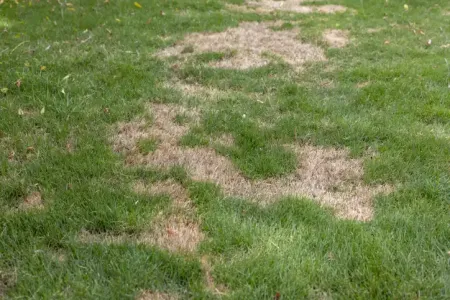
Brown patch is one of the most widespread lawn diseases in South Carolina, especially during warm, humid weather.
What it looks like:
- Circular or irregular brown patches that can expand quickly.
- Grass within affected areas may appear thin or collapsed rather than dry and brittle.
When it shows up:
- Late spring through early fall, especially during periods of warm nights and high humidity.
Why it develops:
- Excess moisture, poor air circulation, and stress from overfertilization can create ideal conditions.
- Lawns that stay wet overnight are especially vulnerable.
Brown patch often spreads rapidly and is commonly mistaken for drought stress, leading homeowners to water more and unintentionally worsen the issue.
Large Patch
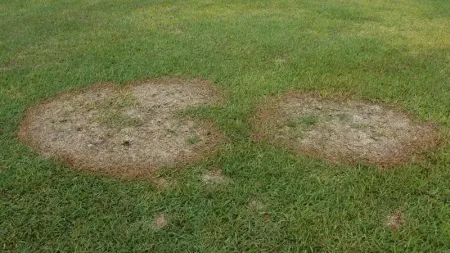
Large patch is closely related to brown patch, but typically affects lawns during cooler parts of the year.
What it looks like:
- Large, slow-growing patches that may appear orange, yellow, or brown along the edges.
- Damage often becomes more noticeable in spring as lawns begin to green up.
When it shows up:
- Fall through early spring, especially during cool, wet conditions.
Why it develops:
- Prolonged moisture and mild temperatures allow the disease to remain active even when turf growth slows.
Large patch often goes unnoticed during winter and becomes obvious only after significant damage has already occurred.
Dollar Spot
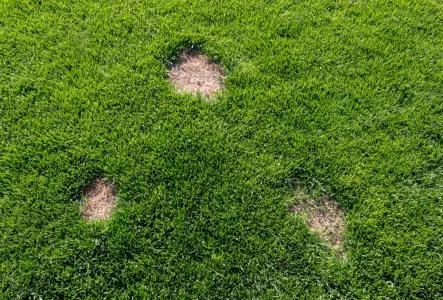
Dollar spot is common in South Carolina lawns that are under stress or lacking proper nutrient balance.
What it looks like:
- Small, round spots about the size of a silver dollar.
- White, cottony growth may be visible early in the morning.
When it shows up:
- Late spring through fall, particularly during warm days and cool nights.
Why it develops:
- Low nutrient availability and inconsistent moisture can weaken turf, making it more susceptible.
Dollar spot can spread quickly across large areas, creating a speckled or thinning appearance if left untreated.
Pythium Blight
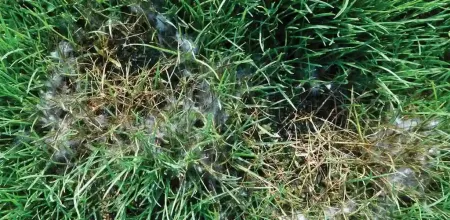
Pythium blight is one of the most aggressive lawn diseases seen in South Carolina.
What it looks like:
- Greasy, dark patches that can expand rapidly.
- Grass may appear matted or slimy during early stages.
When it shows up:
- During periods of extreme heat combined with heavy rainfall or excessive watering.
Why it develops:
- Poor drainage, compacted soil, and prolonged surface moisture create ideal conditions.
Because of how fast it spreads, pythium blight can cause severe damage in a very short time.
Gray Leaf Spot
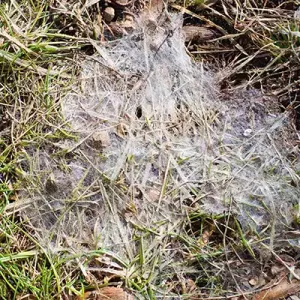
Gray leaf spot is commonly seen during hot, wet summers and often affects newly stressed turf.
What it looks like:
- Small, gray or tan lesions on grass blades that cause thinning.
- Affected areas may look scorched or uneven.
When it shows up:
- Mid to late summer, especially after frequent rainstorms.
Why it develops:
- Excess moisture and stress weaken turf, allowing the disease to take hold.
Gray leaf spot often starts in small areas but can expand quickly if conditions remain favorable.
How to Treat Lawn Fungus
Now that you’re familiar with the identification of the most common lawn fungal diseases in South Carolina, we can start learning how to treat fungal diseases. Here are a few tips to help control brown patch, large patch, and dollar spot.
Reduce the Moisture
Lawn fungi rely heavily on excess moisture in your lawn. This means that anytime your lawn is too wet, it creates the perfect environment for a lawn fungus. One way to treat an existing lawn fungus is to change your watering habits. Make sure you’re watering your lawn before the hottest parts of the day. This allows any excess water on your lawn to dry before the cooler nighttime temperatures.
If water is left on your lawn overnight on a cool night, lawn fungus is much more likely to develop. Let your lawn dry out slightly; this will help prevent fungus from spreading. You should also make sure your irrigation system is operating correctly and is only active at the right times.
Aerate Your Lawn
Soil compaction and excess thatch cause a medley of issues for your lawn. The general decline of your lawn’s health leaves it vulnerable to fungal infections. It can also cause water to pool on your lawn, creating a breeding ground for lawn fungus.
You can easily check how compacted your soil is and how thick your thatch is by sticking a screwdriver into your lawn. If your thatch is more than a ½ inch or if it’s tough to push the screwdriver into the soil, then aeration is your best course of action.
Lawn Fertilization and Fungicide Treatment
The best way to combat a lawn fungus is by maintaining a healthy lawn. Lawn care and lawn fertilization programs keep your lawn healthy throughout the year and is the best way to keep it fungus-free. If it’s too late and your lawn is under attack from brown patch or other lawn fungi, then a fungus control program may be your best answer.
How to Prevent Lawn Fungus
Cultural practices are the easiest and best way to prevent lawn fungus in your grass. Set your lawn up for success by creating a foundation of health in your lawn.
Watering Techniques
The first thing in lawn fungus prevention to consider is irrigation techniques. A lawn fungus thrives when there is excess water or moisture on your grass. If you water your lawn properly, then you can avoid a lawn fungal infection altogether. Avoid overwatering your lawn, even during a drought, to ensure your grass isn’t too wet for too long.
Another great tip is to avoid frequent, light watering of your grass. Less frequent, deep watering is the best way to go. Allow the water to penetrate 3 inches deep into the soil as this encourages strong root growth and, ultimately, a healthier lawn.
Timing matters too. Never water near the end of the day. Wet grass in the cool night is the perfect host for a developing lawn fungus. The best time to water your lawn is in the morning, before the day becomes too hot. This allows enough time for the excess water to evaporate from your grass.
Proper Mowing Height
One fall lawn fungus prevention tip is to make sure you're mowing your Charleston, SC lawn at the right height.
One big reason for a fungus like dollar spot to develop in your lawn is that you’re mowing your grass too short. This is called scalping your lawn and it can severely affect the health of your lawn, leaving it open to fungus, disease, and pests. Make sure you mow your lawn at 3 ½ inches or higher to ensure you’re grass is tall enough to stay healthy.
Mowing at a higher height helps with moisture retention during drought conditions and even keeps weeds at bay. It’s also not a bad idea to leave the grass clippings on your lawn. This gives essential nutrients back to your grass. Remember, never cut more than a third of the height of your grass.
Avoid Nitrogen-Heavy Fertilizers
Lastly, avoid nitrogen-heavy fertilizers. Lawn fungi love nitrogen, so adding nitrogen to a lawn at risk for a fungal infection isn’t a great idea. You can avoid a lawn fungus explosion by using a slow-release nitrogen fertilizer during the spring and summer. This way, your lawn gets the benefits of the fertilizer over a longer period of time, and you avoid feeding the fungus.
Why Lawn Diseases Keep Coming Back
Many lawn diseases return year after year because the underlying conditions never change. Excess moisture, poor drainage, compacted soil, and nutrient imbalances all increase susceptibility. Treating visible symptoms without addressing these factors often leads to recurring outbreaks.
In many cases, homeowners unintentionally create favorable conditions for disease by watering too frequently, applying fertilizer at the wrong time, or misidentifying the problem entirely.
When to Seek Professional Help
Some lawn diseases improve with better timing and maintenance, but others require a trained eye to diagnose and correct. When damage spreads quickly, returns each season, or affects large sections of your lawn, professional evaluation is often the fastest way to stop further decline.
helps homeowners identify lawn diseases accurately and determine what conditions are allowing them to persist. Rather than guessing or rotating treatments, a professional assessment focuses on timing, soil conditions, and turf health to address the issue at its source.
Reach out for professional support if you notice:
- Disease spreading despite adjustments to watering or fertilization.
- The same problem reappearing year after year.
- Thin areas that fail to recover during active growing seasons.
- Multiple symptoms developing at the same time.
Taking action early can limit damage, reduce recovery time, and help prevent the disease from becoming a recurring problem.